
Introduction
Living in the United Arab Emirates offers sunny weather, modern living, and rich cultural experiences. However, pet owners in the region face unique environmental challenges throughout the year. Sandstorms, locally known as shamals, sweep across the desert landscape suddenly. These powerful wind events blow vast clouds of dust, fine sand, and airborne particulate matter across cities like Dubai, Abu Dhabi, and Sharjah. While human residents quickly retreat indoors and seal their windows, our furry companions depend entirely on us for protection. Understanding how to protect pets during UAE sandstorms respiratory care guide becomes an essential responsibility for every responsible owner. Sandstorms carry microscopic mineral particles, pollen, and pollutants that irritate sensitive airways. Dogs, cats, and smaller house pets breathe faster than humans and often sniff ground level surfaces where dust accumulates. Exposure to severe dust storms leads to coughing, wheezing, eye inflammation, and serious respiratory distress. This comprehensive guide covers everything you need to know about keeping your beloved companions safe, healthy, and breathing comfortably during harsh desert sandstorms.
Understanding the Risks of Dust Storms for Pets
Sandstorm dust consists of fine silica particles, chemical pollutants, and micro-contaminants carried across huge distances. When pets inhale these microscopic particles, the debris travels deep into their respiratory tracts. Unlike larger debris trapped by nasal passages, fine PM2.5 dust settles deep in pulmonary tissues. This causes immediate inflammation along the airway linings and decreases oxygen intake. Brachycephalic breeds like Pugs, Bulldogs, Boxers, and Persian cats suffer the highest risk due to shortened airways. Similarly, senior pets, young puppies, kittens, and animals with pre-existing asthma face severe danger. Inhaling dust irritates mucosal linings, leading to persistent coughing, nasal discharge, sneezing, and watery eyes. Prolonged exposure can trigger secondary bacterial infections or cause chronic bronchitis over time. Recognizing these environmental hazards empowers you to take proactive steps long before dust clouds sweep across the city horizon.
Preparing Your Home Before a Sandstorm Hits
Preparation remains your primary line of defense against incoming desert sandstorms. Local weather channels and UAE meteorological authorities regularly broadcast dust storm warnings hours in advance. As soon as a weather alert issues, focus on creating a safe indoor sanctuary. Close every window and door tightly across your apartment or villa to prevent fine dust infiltration. Seal visible gaps under exterior doors using damp towels, weather-stripping, or draft stoppers. Turn off outdoor ventilation systems and set your central air conditioning unit to internal recirculation mode. Replacing AC air filters regularly ensures clean indoor air when dust levels outside peak dramatically. Place fresh air purifiers equipped with HEPA filters in the rooms where your pets spend most time. Preparing these home defenses early creates a safe, clean breathing environment before conditions deteriorate outside.
Managing Outdoor Activities and Exercise During Dust Events
When sandstorms active across the UAE, outdoor activities must stop immediately. Walking dogs in high dust concentration causes immediate airway irritation and eye damage. Postpone long walks, park visits, and intense exercise sessions until dust advisories subside completely. If your dog absolutely must go outside to eliminate, restrict the trip to two minutes. Choose a sheltered courtyard or a covered area directly adjacent to your home entrance. Consider fitting your dog with protective eyewear or specialized canine dust masks if brief exposure proves unavoidable. For energetic dogs needing physical output, transition to stimulating indoor activities. Engage their minds using puzzle toys, treat-dispensing balls, hide-and-seek games, or short indoor obedience sessions. Keeping your pets physically inactive and comfortably resting indoors prevents high respiration rates that pull dust deeper into lung tissue.
Protecting Pet Eyes, Ears, and Paws
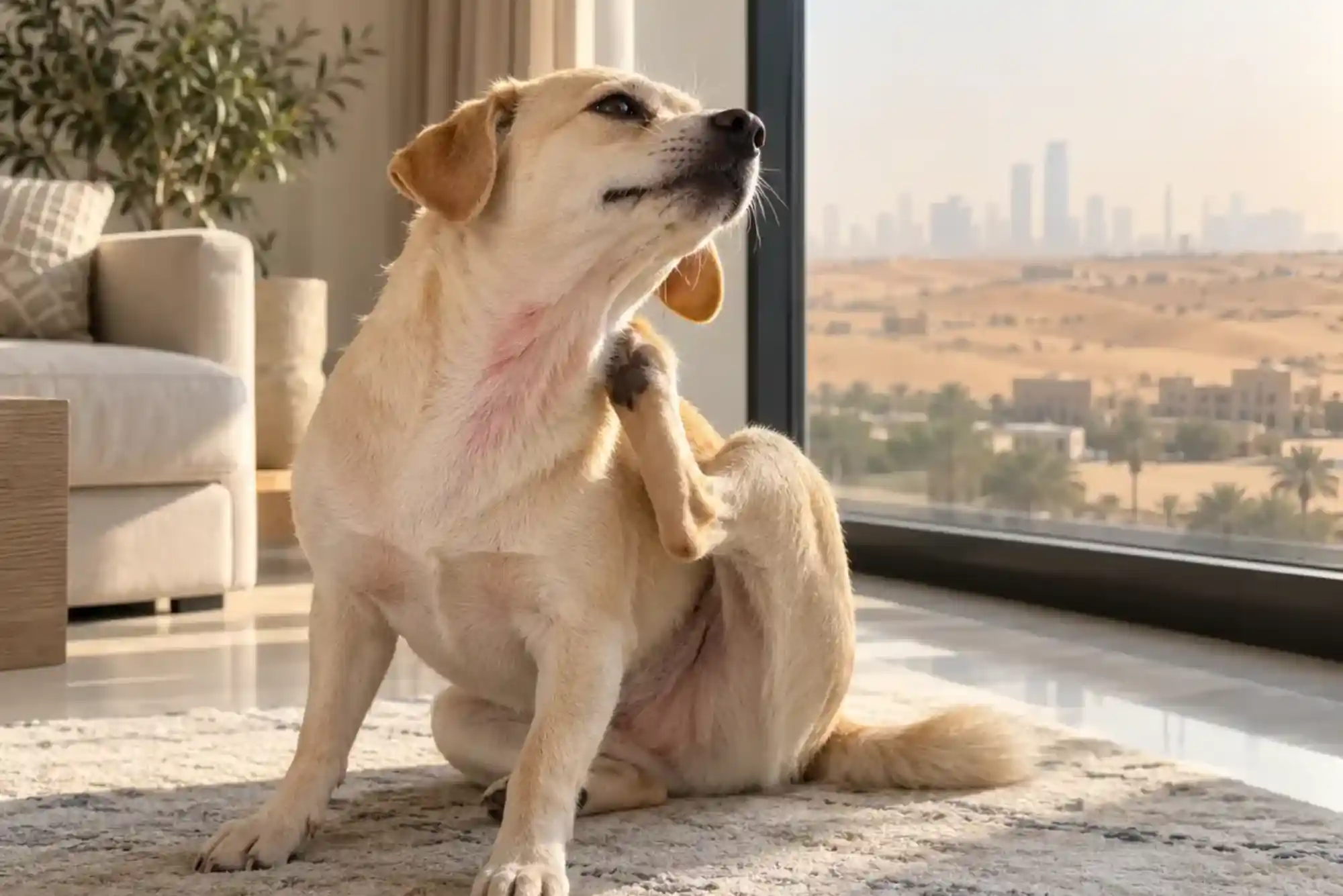
Respiratory issues are not the only threat pets face during heavy dust storms. Fine sand particles accumulate rapidly inside eyes, ears, and paw pads during brief outdoor trips. Dust settles on the ocular surface, causing painful corneal abrasions, conjunctivitis, and dry eyes. Flush your pet’s eyes gently with sterile saline solution after any necessary trip outdoors. Check ear canals carefully and wipe away visible dust using a soft, damp cloth. Sand grains trapped between sensitive paw pads cause irritation and prompt excessive licking, which leads to swallowing harmful dust particles. Wash your pet’s paws in lukewarm water immediately after coming inside and dry them thoroughly with a clean towel. Gently wiping down their coat with a damp micro fiber towel removes loose dust before they groom themselves indoors.
Indoor Air Quality Management for Pet Safety
Maintaining pristine indoor air quality protects sensitive animal lungs during multi-day weather events. Central AC units work overtime during UAE storms, making regular maintenance vital for pet health. Upgrade standard air filters to high-efficiency HEPA filters capable of capturing microscopic dust particles. Running standalone HEPA air purification units creates a clean breathing environment inside main living spaces. Keep indoor humidity levels balanced between forty and fifty percent to soothe dry nasal passages and airways. Avoid introducing additional airborne irritants inside your home during sandstorms. Refrain from burning incense, lighting scented candles, spraying aerosol air fresheners, or using harsh chemical cleaning products. Minimizing indoor airborne pollutants allows your pet’s lungs to rest and recover without additional chemical stressors.

Essential Hydration and Dietary Care
Proper hydration plays a critical role in helping your pet natural defense systems eliminate inhaled dust. Fresh water keeps mucosal linings in the throat and nasal passages moist, helping trap fine dust particles before they reach the lungs. Place multiple water bowls around your home to encourage frequent drinking throughout the day. Consider adding low-sodium bone broth to water dishes to entice picky drinkers during stressful weather events. Switching to high-moisture canned wet food provides additional hydration while supporting overall digestive health. Avoid changing diets drastically during storms, as environmental stress combined with dietary changes causes gastrointestinal upset. Keeping your pet well-hydrated supports mucosal clearance and reduces airway dryness caused by air conditioning recirculated air.
Recognizing Respiratory Distress Signals
Spotting signs of breathing difficulty quickly allows for immediate life-saving intervention. Respiratory distress in dogs and cats manifests through distinct physical and behavioral signs that every owner should recognize. Watch for heavy panting, rapid shallow breathing, flaring nostrils, or noisy wheezing while resting. Cats breathing with open mouths present a severe medical emergency requiring urgent veterinary care. Check your pet gum color regularly during active sandstorms; healthy gums appear bubblegum pink. Pale, blue, or grayish gums indicate inadequate oxygen intake and demand immediate emergency transport. Other critical warning signs include continuous coughing, gagging, lethargy, loss of appetite, and collapse. Never ignore subtle breathing changes, as respiratory inflammation escalates rapidly in small animals exposed to heavy dust.
Emergency Preparedness and Veterinary Support
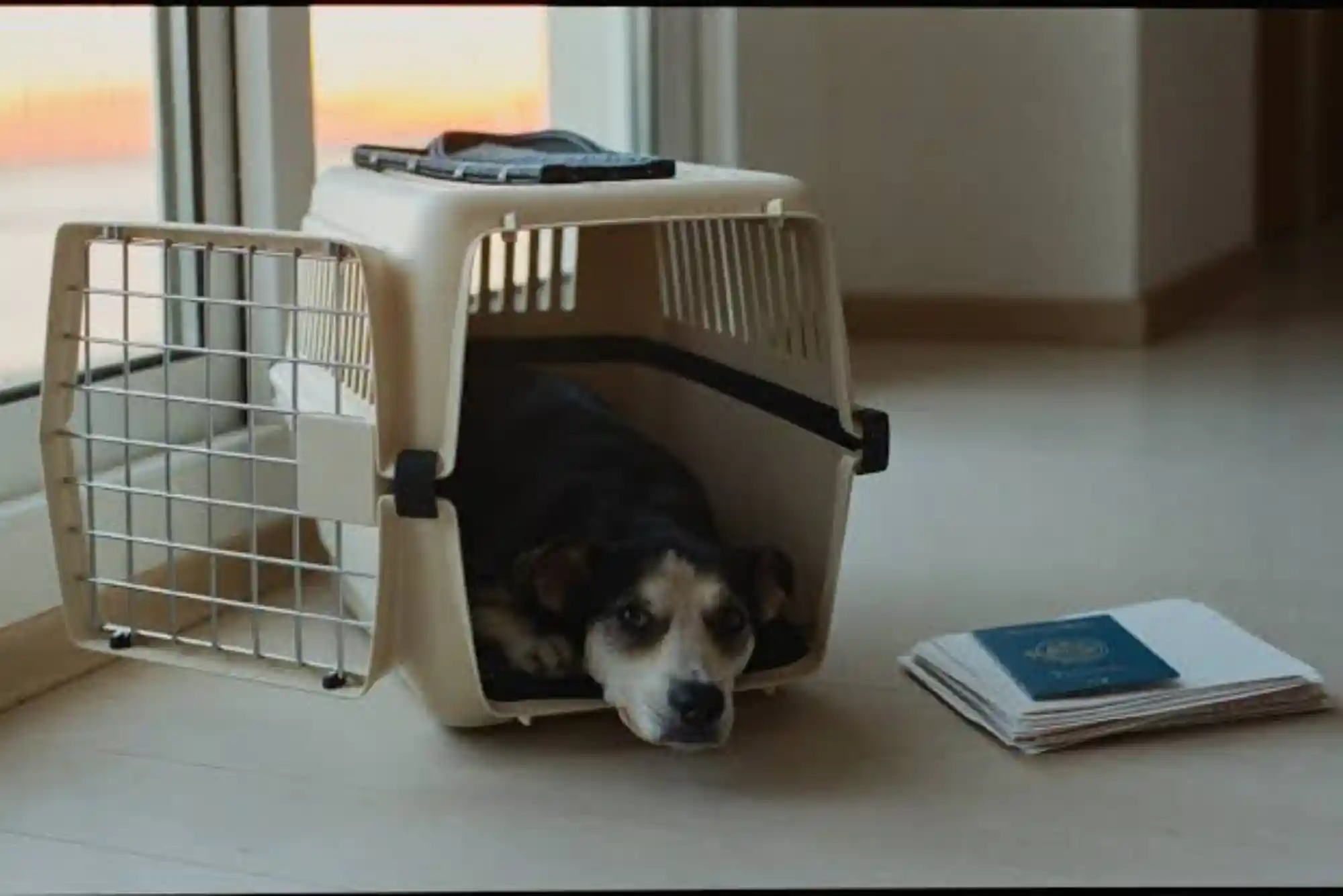
Every UAE pet owner needs a well-stocked emergency kit ready for severe weather conditions. Prepare a dedicated pet emergency bag containing a seven-day supply of regular food, bottled drinking water, and essential medications. Include saline eye drops, paw wipes, pet-safe antiseptics, towels, and copies of vaccination records. Save contact details for local 24-hour emergency veterinary clinics in your phone and post them visibly on your refrigerator. If your pet suffers from chronic feline asthma or canine bronchitis, consult your veterinarian beforehand about emergency inhalers or preventive medications. Having an established action plan eliminates panic and ensures swift, decisive care if your pet develops sudden breathing problems during a storm.
Frequently Asked Questions
Can sandstorms cause asthma in cats and dogs?
Yes, prolonged exposure to sandstorm dust can trigger feline asthma attacks and cause chronic bronchitis in dogs. Fine dust particles enter deep lung tissues, causing severe inflammation, swelling, and long-term respiratory sensitivity.
How long should I keep my pet indoors during a UAE sandstorm?
Keep pets indoors entirely for the duration of the sandstorm and several hours after wind subsides. Dust remains suspended in the air long after wind drops, so wait until official air quality indexes return to safe levels.
How can I protect my dog’s eyes during a sandstorm?
Keep your dog indoors as much as possible. If brief trips outside are necessary, flush their eyes gently with pet-safe sterile saline solution afterward and consider using protective dog goggles for necessary outdoor trips.
Is air conditioning safe for pets during a dust storm?
Air conditioning is safe and necessary provided you set the unit to recirculate indoor air rather than pulling fresh air from outside. Ensure AC filters are clean and replaced regularly to prevent circulating dust indoors.
Conclusion
Protecting your furry family members during severe desert dust storms requires preparation, vigilance, and swift action. By understanding how to protect pets during UAE sandstorms respiratory care guide, you shield your companions from dangerous airborne particulates, ocular irritation, and chronic respiratory illnesses. Seal your home effectively, maintain indoor air quality using HEPA filters, restrict outdoor exposure completely, and watch closely for signs of respiratory distress. Your proactive care ensures your pets stay comfortable, healthy, and safe no matter how fierce the desert weather becomes outside. Take time today to check your home AC filters, restock your pet emergency kit, and secure sterile saline supplies so you remain fully prepared for the next UAE sandstorm alert.
<!–>
–><!–>
–><!–>
–>