
Introduction
The UAE summer can be extremely challenging for dogs. High temperatures, hot pavements, humidity, and limited shade can quickly cause overheating. Therefore, responsible pet owners need a practical summer safety routine.
Pet Care in UAE Summer: 7 Rules to Prevent Dangerous Heatstroke in Dogs focuses on simple habits that can protect dogs from heat-related emergencies. Although every dog reacts differently to heat, some breeds face greater risks than others.
Dogs cannot cool themselves as efficiently as humans. They mainly regulate body temperature through panting and limited sweating through their paw pads. Consequently, prolonged exposure to high temperatures can become dangerous very quickly.
Understanding the warning signs is equally important. Excessive panting, weakness, drooling, confusion, vomiting, and collapse can indicate serious overheating. Early action can make an important difference.
Why UAE Summer Heat Is Dangerous for Dogs
UAE summers create several challenges for pets. Outdoor temperatures can become extremely high, while pavement and sand may become even hotter. A short walk during the wrong part of the day can therefore expose a dog to significant heat.
Humidity can also make cooling more difficult. When the surrounding air is hot and humid, panting becomes less effective. As a result, a dog may continue overheating even when it appears to be resting.

Puppies, senior dogs, overweight dogs, and dogs with certain health conditions can be particularly vulnerable. Flat-faced breeds, including Pugs, Bulldogs, and French Bulldogs, may also struggle to cool themselves effectively.
For this reason, Pet Care in UAE Summer: 7 Rules to Prevent Dangerous Heatstroke in Dogs should begin with understanding your individual dog’s tolerance and risk factors.
Rule One: Avoid Walking During Peak Heat
One of the most important summer precautions is changing your dog’s walking schedule. Early morning and later evening are generally more comfortable than midday.
During extremely hot weather, even an evening walk may be uncomfortable. Check the pavement before leaving home. If the surface feels too hot against your hand, it can also hurt your dog’s paws.
Shorter walks are often more appropriate during extreme heat. Your dog still needs exercise, but summer exercise should focus on safety rather than distance.
Indoor games can provide mental stimulation when outdoor conditions are unsafe. Puzzle toys, training sessions, gentle play, and scent games can help your dog remain active without excessive heat exposure.
Rule Two: Keep Fresh Water Available
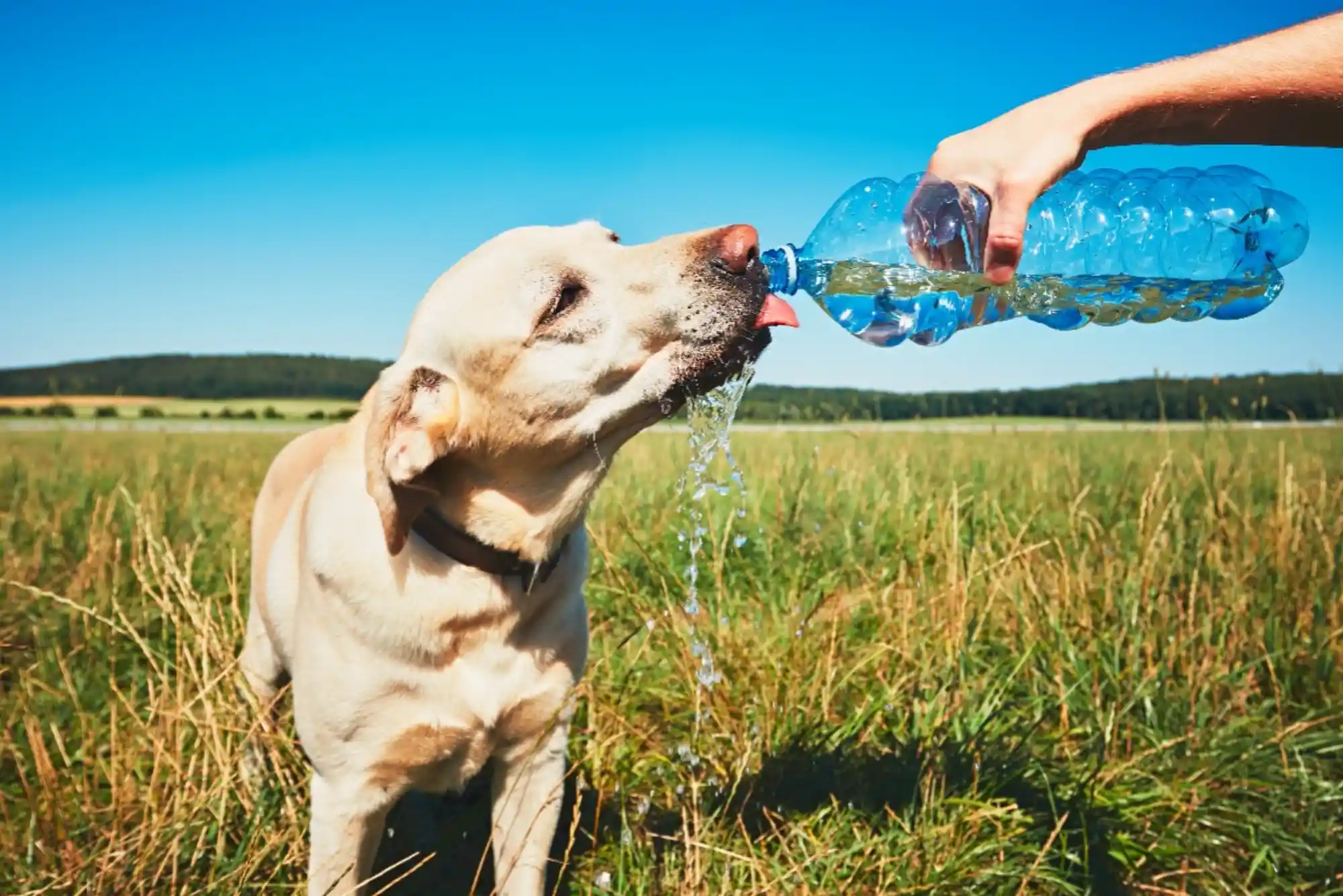
Proper hydration is essential throughout UAE summer. Dogs should have access to clean, fresh water at home and during outdoor activities.
Change drinking water regularly because warm water may become less appealing. When travelling, carry enough water for your dog rather than relying on finding a suitable source.
A portable water bowl can make outdoor trips easier. However, hydration should not be treated as permission for prolonged outdoor exposure. Water helps support normal temperature regulation, but it cannot prevent heatstroke by itself.
As part of Pet Care in UAE Summer: 7 Rules to Prevent Dangerous Heatstroke in Dogs, hydration should remain a daily priority.
Rule Three: Never Leave a Dog Inside a Parked Car
A parked vehicle can become dangerously hot very quickly, even when the windows are partially open. Air conditioning can also fail unexpectedly.
Therefore, never leave your dog alone inside a parked car during UAE summer. A quick shopping trip can become a serious emergency.
If you need to visit a location where pets are not allowed, leave your dog safely at home instead. This simple decision can prevent potentially fatal heat exposure.
Rule Four: Provide a Cool Indoor Environment
During the hottest hours, dogs should have access to a comfortable indoor space. Air conditioning can help maintain a safer environment when outdoor temperatures become extreme.
However, avoid placing your dog directly under very cold airflow. Instead, provide a comfortable resting area away from direct sunlight.
Cooling mats can also provide additional comfort. Some dogs may prefer lying on cool flooring instead. Allow your pet to choose a comfortable resting position whenever possible.
Good Pet Care in UAE Summer: 7 Rules to Prevent Dangerous Heatstroke in Dogs also means watching indoor conditions. A home can become uncomfortable if air conditioning stops working during an extreme heat event.
Rule Five: Protect Your Dog’s Paws
Hot pavement can cause painful burns. Asphalt and other dark surfaces can become particularly uncomfortable under strong UAE sunlight.
Try to keep walks on cooler surfaces whenever possible. Grass or shaded areas may be more comfortable than exposed pavement.
After walks, inspect your dog’s paw pads. Look for redness, tenderness, cracking, or changes in walking behavior. If your dog suddenly avoids walking, paw discomfort could be one possible reason.
Protective dog boots may help some pets, but they should be introduced gradually. They should never be used as a reason to extend walks during dangerous temperatures.
Rule Six: Recognize Heatstroke Symptoms Early
Knowing the symptoms of heatstroke is one of the most valuable parts of summer pet care. Early signs can include heavy panting, excessive drooling, restlessness, weakness, and unusual tiredness.
As overheating becomes more severe, a dog may develop vomiting, diarrhea, confusion, poor coordination, seizures, or collapse. These symptoms require urgent veterinary attention.
If you suspect heatstroke, move the dog away from the heat immediately. Begin gentle cooling with room-temperature or cool water while seeking veterinary help.
Avoid using extremely cold water or ice directly on the body unless a veterinarian specifically advises it. Rapid or inappropriate cooling may create additional problems.
Most importantly, do not wait for symptoms to disappear on their own. Heatstroke can become life-threatening and may cause serious organ damage.
Rule Seven: Adjust Grooming and Exercise Carefully
Summer grooming requires a balanced approach. A dog’s coat provides some protection from sunlight and environmental heat, so completely shaving certain coats is not always appropriate.
Instead, regular brushing can remove loose hair and prevent excessive matting. A professional groomer can recommend an appropriate summer trim based on your dog’s coat type.
Exercise should also be reduced when temperatures are extreme. A dog that normally enjoys long outdoor activities may need shorter sessions during summer.
Watch your dog’s behavior rather than relying only on your usual routine. Heavy panting, slowing down, seeking shade, or repeatedly stopping can indicate that your dog needs a break.
Which Dogs Are Most at Risk of Heatstroke?
Some dogs require additional precautions during UAE summer. Brachycephalic breeds have shortened airways, which can make breathing and cooling more difficult.
Older dogs and puppies may also struggle with temperature regulation. Similarly, overweight dogs can become overheated more easily during physical activity.
Dogs with heart or respiratory problems may need additional veterinary guidance during hot weather. If your dog has a known medical condition, ask your veterinarian about appropriate summer exercise and environmental limits.
Breed alone does not determine heatstroke risk. Individual fitness, age, weight, coat type, health, humidity, activity, and exposure time all matter.
What Should You Do If Your Dog Shows Heatstroke Signs?
Heatstroke should be treated as an emergency. If your dog becomes severely overheated, move it into a cooler environment immediately.
Use cool, wet towels or room-temperature water to help reduce body temperature gradually. Offer small amounts of water if your dog is conscious and able to drink safely.
Contact a veterinarian as soon as possible. Even if your dog appears better, internal complications can develop after severe overheating.
Do not rely on home treatment alone. Veterinary assessment is important because heatstroke can affect multiple organs.
FAQ
How can I protect my dog from heatstroke in summer?
Keep your dog indoors during the hottest periods, provide fresh water, and avoid strenuous exercise. Walk during cooler hours and monitor your dog for overheating symptoms.
What temperature is too hot for dogs?
There is no single temperature that is safe for every dog. Humidity, breed, age, health, coat, activity level, and access to shade all affect heat tolerance.
In UAE summer, outdoor conditions can become dangerous quickly. Therefore, owners should assess the actual conditions instead of relying on temperature alone.
Can dogs walk outside during UAE summer?
Dogs can often walk safely during cooler periods, but midday walks should generally be avoided during extreme heat. Check pavement temperature and keep walks short when conditions are uncomfortable.
How do I know if my dog is suffering from heatstroke?
Heavy panting, excessive drooling, weakness, vomiting, confusion, poor coordination, seizures, and collapse can be warning signs. Severe symptoms require immediate veterinary attention.
Should I shave my dog in summer?
Not necessarily. A dog’s coat can provide protection from sunlight and heat. Regular brushing and an appropriate breed-specific trim are often preferable to completely shaving the coat.
Can dogs stay outside in UAE summer?
Dogs should not be left outdoors for extended periods during extreme UAE heat. They need reliable shade, fresh water, ventilation, and a cooler environment. During the hottest periods, staying indoors is generally safer.
Conclusion
Safe summer routines can significantly reduce the risks associated with extreme heat. The key is to plan walks carefully, provide fresh water, protect paws, maintain a cool environment, and recognize heatstroke symptoms quickly.