

Proper oven temperature calibration is crucial for achieving consistent and accurate cooking results. Many home cooks and professional chefs rely on precise oven settings to ensure that baked goods, roasted meats, and other dishes are cooked perfectly. Over time, ovens can lose accuracy due to frequent use, mechanical wear, or electrical issues. Learning how to calibrate your oven correctly not only improves the quality of your food but also helps save energy and prolong the life of the appliance. In this guide, we will explore the importance of calibration, signs of incorrect temperature, and detailed procedures for adjusting your oven temperature, all while highlighting professional services like mhasnain home applinces repair and oven repair service.
An oven’s temperature may deviate from its indicated setting for several reasons. Mechanical components, such as heating elements and thermostats, can wear out or drift over time. Electrical ovens may experience fluctuations due to faulty circuits or inconsistent power supply. Even modern digital ovens can lose calibration if sensors fail or if the oven is exposed to extreme temperature variations. Regular monitoring and calibration ensure that the oven performs as expected, allowing users to maintain precise cooking conditions.
Understanding the Importance of Oven Temperature Calibration
Oven temperature calibration is the process of verifying that the oven’s internal temperature matches the dial or digital display setting. Accurate calibration ensures that recipes produce consistent results. For example, a recipe calling for 180°C may yield undercooked or overcooked results if the actual oven temperature is off by even 10–20 degrees. This can lead to disappointment, wasted ingredients, and uneven cooking. By calibrating the oven regularly, home cooks can achieve reliable and professional results every time.
Calibration is especially important for baking, where precision is essential. Cakes, pastries, and bread depend on even heat distribution to rise and cook properly. A poorly calibrated oven may cause uneven browning, collapsed cakes, or undercooked centers. Similarly, roasting meats or vegetables requires consistent heat to ensure food safety and optimal flavor. For these reasons, oven calibration is not just a convenience but a necessity.
Signs That Your Oven Needs Calibration
There are several indicators that an oven may require calibration. Users should look for the following signs:
-
Food cooks faster or slower than indicated in recipes.
-
Uneven browning or burning in certain areas of the oven.
-
Repeated failures in baked goods, such as collapsing cakes or dough that does not rise.
-
Thermometer readings inside the oven do not match the set temperature.
-
The oven cycles on and off irregularly or shows inconsistent temperatures on digital displays.

Noticing any of these symptoms is a signal that professional intervention may be required. While some calibration adjustments can be performed at home, consulting a professional oven repair service ensures accuracy and safety.
Professional Calibration vs. DIY Calibration
While simple adjustments can sometimes be performed by homeowners, professional calibration services provide a thorough assessment of the oven’s components. Experts from services like mhasnain home applinces repair use precise instruments to measure temperature across various points in the oven cavity. They can detect issues with thermostats, heating elements, and sensors that may not be obvious to the untrained eye. Professional oven repair service technicians can not only calibrate your oven but also replace faulty parts to restore peak performance.
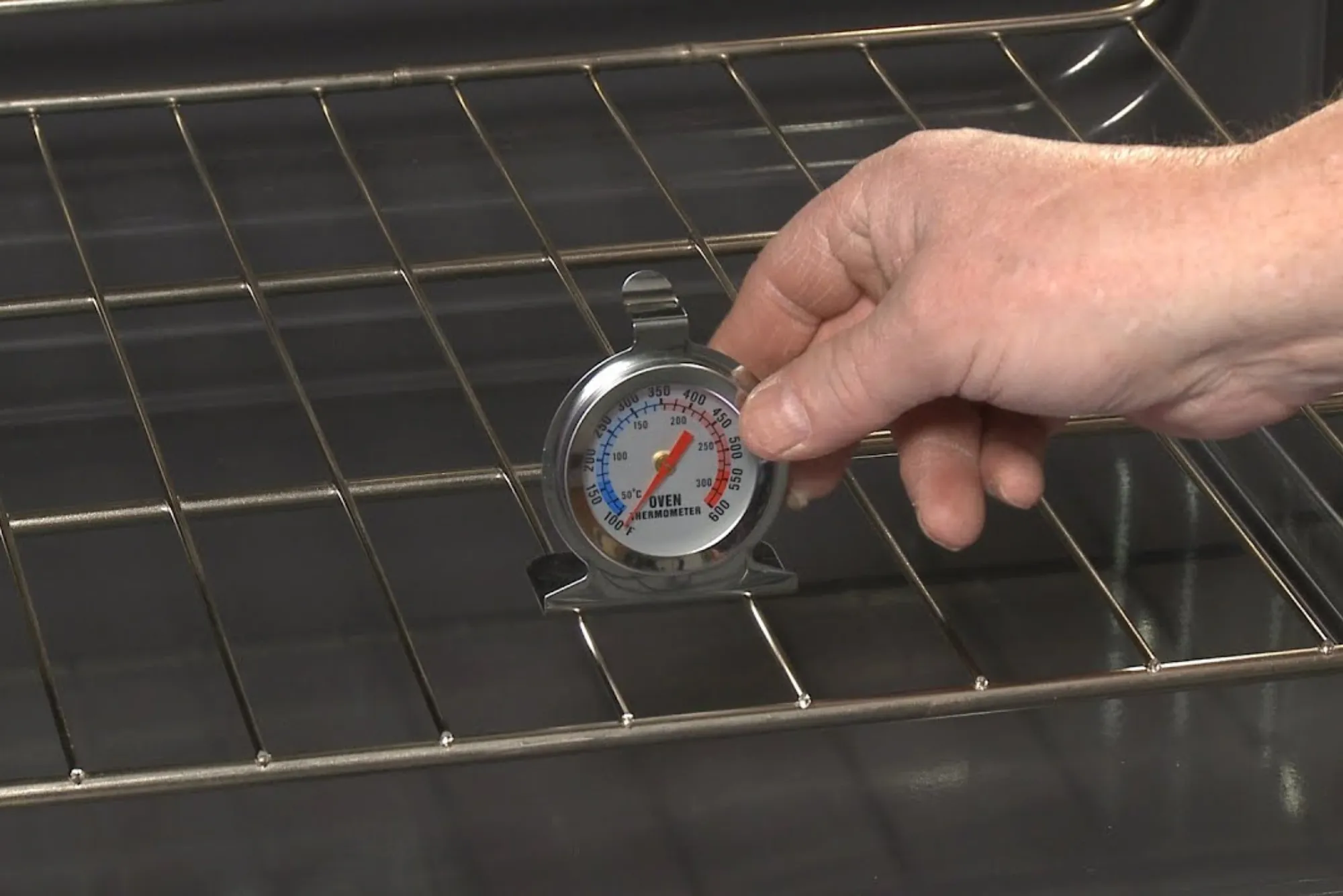
DIY calibration is possible for simple models. Users can place an oven thermometer inside the oven and compare the actual temperature to the dial setting. Minor adjustments can be made using the oven’s internal calibration controls. However, this approach may not address underlying issues such as faulty heating elements or sensor malfunctions. For long-term reliability, professional service remains the best choice.
Step-by-Step Guide to Oven Temperature Calibration
-
Start by obtaining an accurate oven thermometer. Place it in the center of the oven for consistent readings.
-
Preheat the oven to a common temperature, such as 180°C, and allow it to stabilize for at least 10–15 minutes.
-
Compare the thermometer reading to the oven setting. Record any discrepancies.
-
If the oven allows manual calibration, adjust the internal calibration dial or digital settings according to the manufacturer’s instructions.
-
Re-test the oven after adjustments to verify accuracy. Repeat as necessary until the thermometer reading matches the set temperature.
For electric ovens, minor fluctuations may be normal due to cycling of the heating elements. Gas ovens may require adjustments to the pilot flame or thermostat. In both cases, professional oven repair service can ensure precise calibration and prevent recurring temperature issues.
Maintaining Accurate Oven Performance
Regular maintenance and careful use are essential for maintaining oven calibration. Some best practices include:
-
Cleaning the oven interior regularly to prevent buildup on heating elements and sensors.
-
Avoiding abrupt temperature changes that can stress components.
-
Ensuring proper ventilation around the oven to prevent overheating.
-
Checking calibration periodically, especially before critical baking projects.
-
Consulting professional services for any recurring issues, as timely intervention can prevent expensive repairs.
By following these practices and scheduling periodic professional inspections, homeowners can ensure that their oven continues to operate efficiently and reliably.
Benefits of Oven Calibration
Calibrated ovens offer multiple advantages. Accurate temperatures improve the quality and consistency of cooking results. Energy efficiency is enhanced, as the oven does not run longer than necessary to reach desired temperatures. Additionally, precise calibration reduces wear on heating elements, thermostats, and other components, extending the life of the appliance. Users can also avoid common frustrations such as uneven baking, burnt food, or undercooked meals.
Professional calibration services like mhasnain home applinces repair provide peace of mind, knowing that the appliance is functioning correctly. Whether for home kitchens or small commercial operations, maintaining accurate oven temperatures is key to optimal performance and satisfaction.
Related Reading: Vehicle Inspection UAE Checklist for Passing First Attempt — full guide
Related Reading: Authentic Travel: Tips to Connect Deeply with Locals on Your Journeys — full guide
Related Reading: A New Chapter in 9 mm Submachine Guns — full guide
Related Reading: LEED Consultancy firms in Saudi Arabia
Related Reading: Ac Voltage Fluctuation Problem — full guide
Related Reading: هواوي FreeClip 2: تجربة فريدة لإعادة تعريف سماعات الرأس — full guide
Related Reading: Oven Makes Loud Humming Noise