
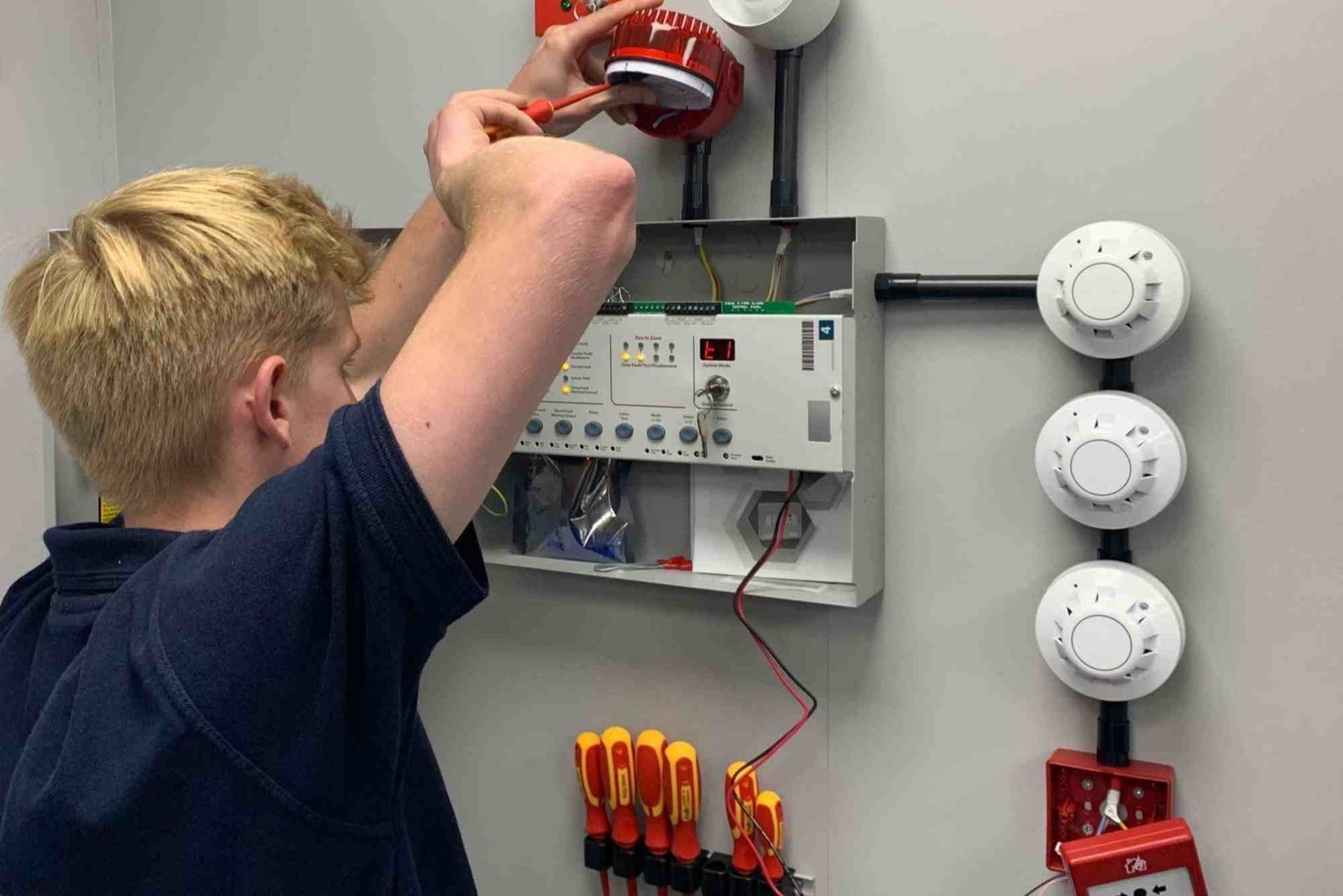

Fire Detection and Alarm Installation
Fire safety is one of the most important parts of protecting any building. Whether it is a home, office, warehouse, or commercial property, early fire detection can save lives and reduce damage. That is why professional fire detection and alarm installation has become essential for modern buildings.
A properly installed fire alarm system detects smoke, heat, or flames before a fire spreads. It alerts occupants immediately and allows fast emergency response. In many countries, fire alarm systems are also required by building safety regulations.
Choosing the right fire detection and alarm installation service ensures your property stays protected at all times. Moreover, modern systems offer advanced monitoring, faster alerts, and reliable performance for both residential and commercial properties.
Why Fire Detection and Alarm Installation Matters
Fire incidents can happen without warning. Electrical faults, kitchen accidents, overloaded circuits, and equipment failures are common causes of fire. Without an early warning system, small fires can quickly become dangerous.
Professional fire detection and alarm installation provides continuous monitoring. As soon as smoke or heat is detected, the system activates alarms throughout the building. This gives people valuable time to evacuate safely.
In commercial properties, fire alarm systems also help business owners avoid major financial losses. They protect employees, customers, equipment, and important records. Additionally, insurance companies often prefer properties with professionally installed fire protection systems.

Modern fire alarm systems are designed to minimize false alarms while ensuring rapid detection. Therefore, investing in a high-quality installation improves both safety and peace of mind.
Types of Fire Alarm Systems
Different buildings require different fire protection solutions. Professional fire detection and alarm installation services usually recommend systems based on building size, occupancy, and risk level.
Conventional Fire Alarm Systems
Conventional systems divide a building into zones. When an alarm activates, the control panel identifies the affected zone. These systems are commonly used in smaller buildings because they are affordable and simple to maintain.
Addressable Fire Alarm Systems
Addressable systems provide more precise information. Each detector has its own address, allowing the system to identify the exact device triggered during an emergency. These systems are ideal for large commercial buildings, hotels, and hospitals.
Wireless Fire Alarm Systems
Wireless systems use radio signals instead of extensive wiring. They are easier to install and work well in historic buildings or locations where wiring is difficult. Many property owners choose wireless fire detection and alarm installation for flexibility and reduced disruption.
Smart Fire Alarm Systems
Modern smart systems connect with mobile devices and building management systems. They send instant notifications to property owners and emergency teams. Smart systems also allow remote monitoring and maintenance.
Key Components of Fire Alarm Installation
Every fire alarm system includes several important components working together to provide protection.
Smoke Detectors
Smoke detectors identify smoke particles in the air. They are often installed in hallways, bedrooms, offices, and storage areas.
Heat Detectors
Heat detectors respond to temperature increases. These devices are commonly used in kitchens, garages, and industrial facilities.
Control Panels
The control panel acts as the brain of the system. It receives signals from detectors and activates alarms when needed.
Alarm Sounders and Strobes
Alarm devices alert occupants through loud sounds and flashing lights. This ensures everyone inside the building is warned immediately.
Manual Call Points
Manual call points allow people to trigger the alarm manually during an emergency. They are usually installed near exits and hallways.
The Fire Detection and Alarm Installation Process
Professional installation follows a detailed process to ensure maximum safety and compliance.
Site Inspection and Risk Assessment
Experts first inspect the property and identify fire risks. They analyze room layouts, escape routes, electrical systems, and occupancy levels.
System Design
After assessment, technicians design a customized fire protection plan. The design includes detector placement, alarm coverage, and control panel configuration.
Installation and Wiring
Qualified technicians install detectors, alarms, and control equipment carefully. Proper wiring and positioning are essential for accurate detection.
System Testing
Testing ensures all devices function correctly. Installers check alarm signals, detector sensitivity, and emergency communication systems.
Maintenance and Monitoring
Regular maintenance keeps the system reliable. Professional fire detection and alarm installation companies also provide inspections and repair services.
Benefits of Professional Fire Detection and Alarm Installation
Professional installation offers many long-term advantages. First, it ensures compliance with local safety codes and regulations. Incorrect installations can lead to system failures and legal issues.
Second, professional systems provide better reliability. Certified technicians understand proper detector placement and wiring standards. This reduces false alarms and improves response times.
Another major benefit is property protection. Early detection minimizes structural damage and reduces downtime for businesses.
Furthermore, professional fire detection and alarm installation increases property value. Buyers and tenants prefer buildings equipped with reliable fire safety systems.
Common Mistakes to Avoid
Many property owners make mistakes when choosing or maintaining fire alarm systems. One common issue is selecting the wrong system size. A small system may not provide enough coverage for larger properties.
Poor detector placement is another problem. Detectors installed too close to kitchens or ventilation systems may cause false alarms.
Ignoring maintenance can also reduce system performance. Fire alarm systems should be tested regularly to ensure proper operation.
Finally, hiring unqualified installers can create serious safety risks. Always choose experienced professionals for fire detection and alarm installation services.
How to Choose the Right Fire Alarm Company
Selecting the right installer is essential for long-term protection. Start by checking certifications and industry experience. Reputable companies follow recognized safety standards and regulations.
Customer reviews and testimonials also provide valuable insight. Positive feedback often reflects service quality and reliability.
It is also important to ask about maintenance support. Reliable companies offer inspections, emergency repairs, and system upgrades.
Additionally, compare system options carefully. A good provider explains available technologies and recommends solutions based on your property needs.
Future Trends in Fire Detection Systems
Fire safety technology continues to improve rapidly. Modern systems now use artificial intelligence to detect fire risks more accurately. Some systems can even identify smoke patterns before visible flames appear.
Cloud-based monitoring is another growing trend. Property owners can monitor alarms remotely through smartphones and online dashboards.
Integration with smart building systems is also becoming more common. Fire alarms can now connect with ventilation controls, security systems, and emergency lighting.
As technology advances, professional fire detection and alarm installation will become even more efficient and reliable.
FAQs
What is the purpose of a fire alarm system?
A fire alarm system detects smoke, heat, or fire and alerts occupants quickly. It helps people evacuate safely and reduces property damage.
How often should fire alarm systems be tested?
Most experts recommend monthly testing and professional inspections at least once a year. Regular maintenance ensures reliable performance.
How long does fire alarm installation take?
Installation time depends on the building size and system complexity. Small residential systems may take one day, while larger commercial systems can require several days.
Are wireless fire alarm systems reliable?
Yes, modern wireless systems are highly reliable. They offer flexible installation and advanced communication features.
Can fire alarm systems reduce insurance costs?
Many insurance providers offer lower premiums for properties with professionally installed fire protection systems.
Conclusion
Fire safety should never be ignored. A professionally designed fire detection and alarm installation system protects lives, property, and business operations. With modern technology, today’s systems provide faster detection, smarter monitoring, and greater reliability than ever before.
Whether you own a home, office, or industrial facility, investing in professional fire protection is a smart decision. Choosing experienced installers ensures your system meets safety standards and performs effectively during emergencies.
If you want dependable protection for your property, contact a trusted fire detection and alarm installation expert today and secure your building with a reliable fire safety solution.
Related Reading: Fire Alarm Installation And Servicing Company